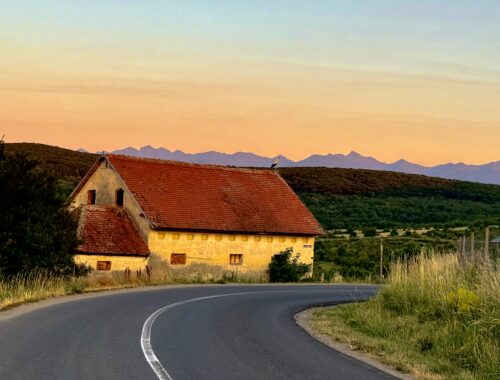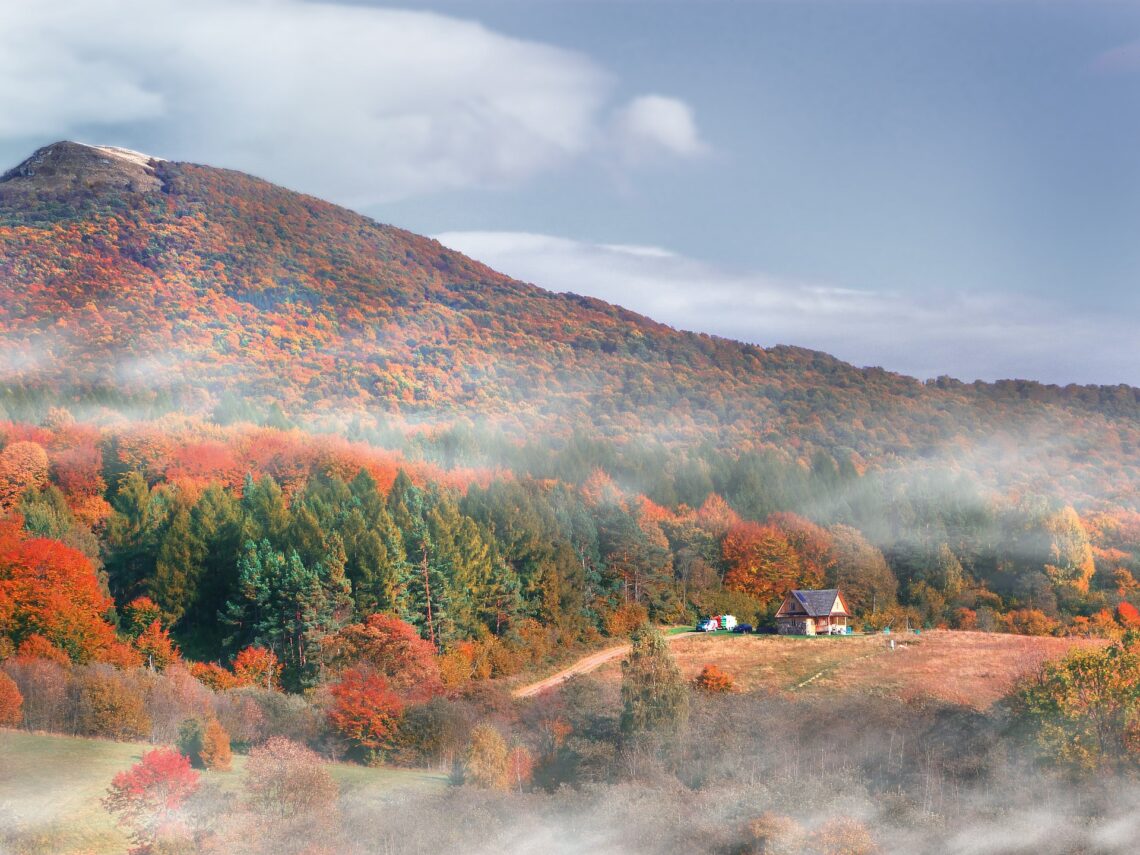
The Bieszczady mountains Poland – dialysis. Explore region.
Should You Go to Bieszczady in Poland on Dialysis?
Since I have less energy for long mountain hikes these days, I thought Bieszczady simply wasn’t for me.
What would I even do there without trekking?
But I decided to try anyway. I got in the car and went. It turned out to be one of the best decisions I’ve made in years.
Dialysis in Sanok — Diaverum Again
I booked my sessions as always through the BookDialysis app.
The clinic in Sanok — the Diaverum network again.
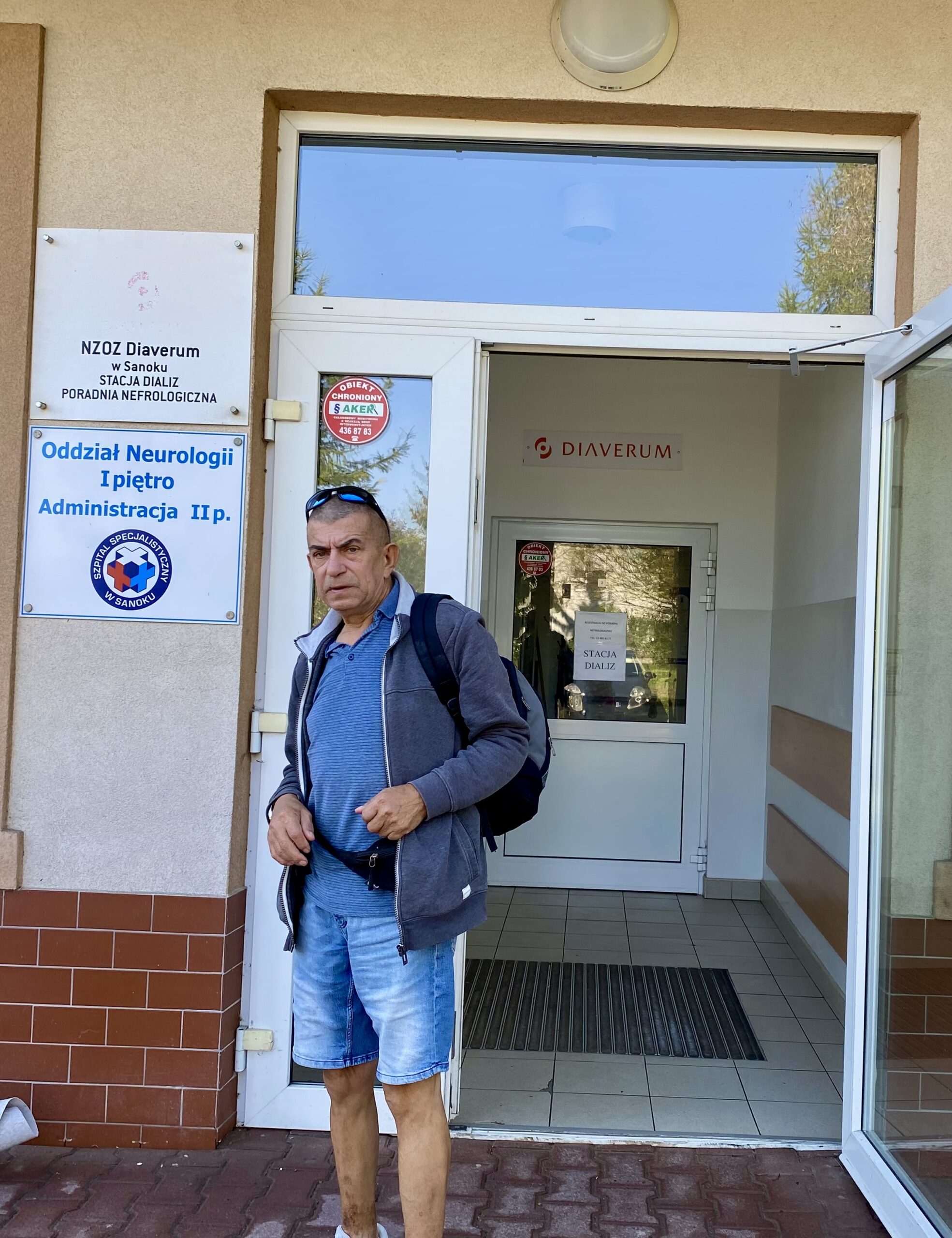
A brand I know well from my travels across Europe. I knew the care would be excellent. And it was — dialysis in Sanok was among the best I’ve experienced on any of my recent trips.
Sessions booked for 12:00. Before dialysis — a short walk through the centre of Sanok, a small espresso in a lovely café, then time to head to the clinic. October days are short — after dialysis it was already dark, so I drove straight back to the cottage to rest.
Accommodation in Mrzygłód — Authentic Rest
I booked through Airbnb. A small village called Mrzygłód, about 15 km from Sanok — a 20-minute drive along the famous Słonne Serpentines. A winding road with beautiful views.
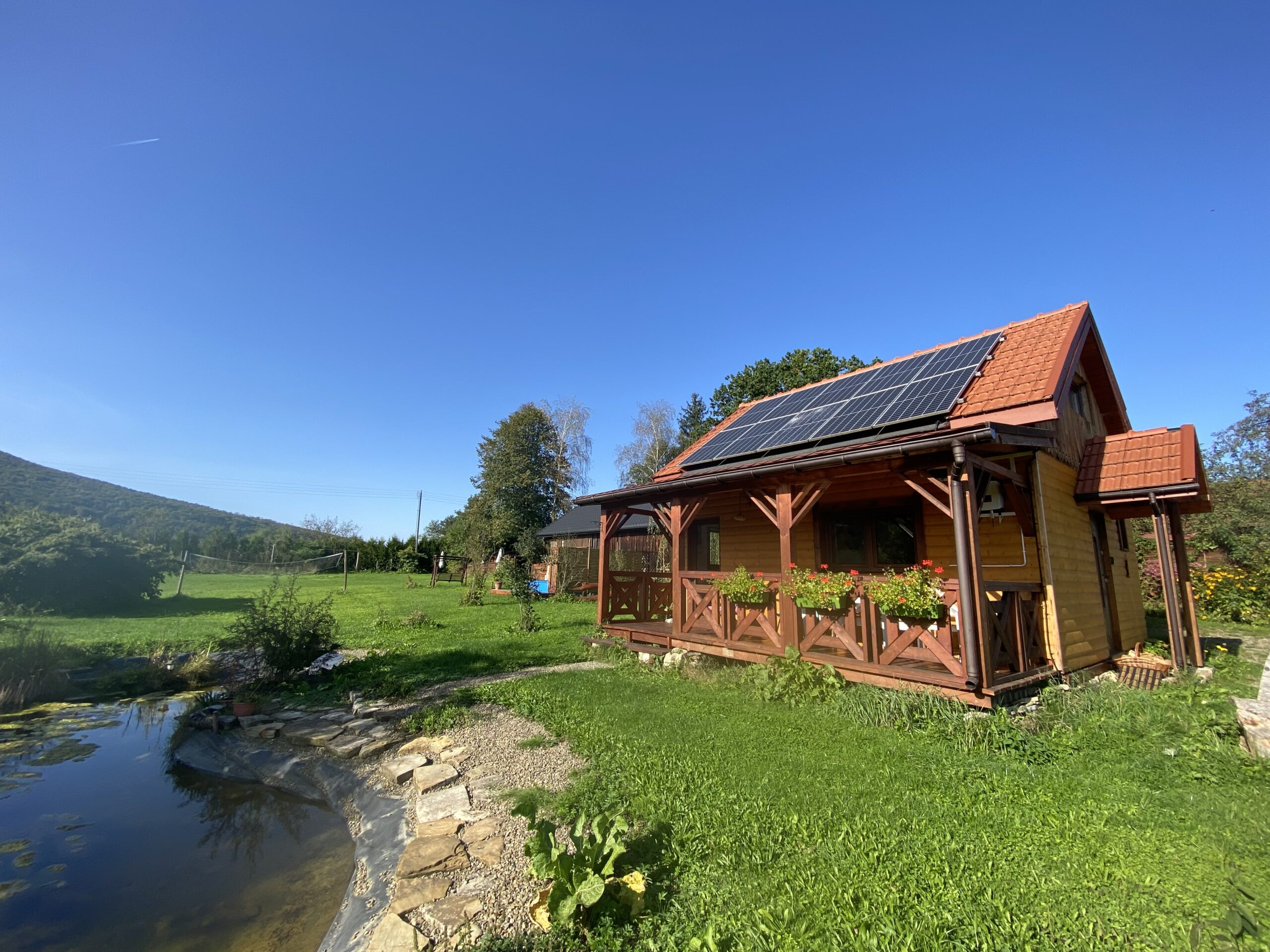
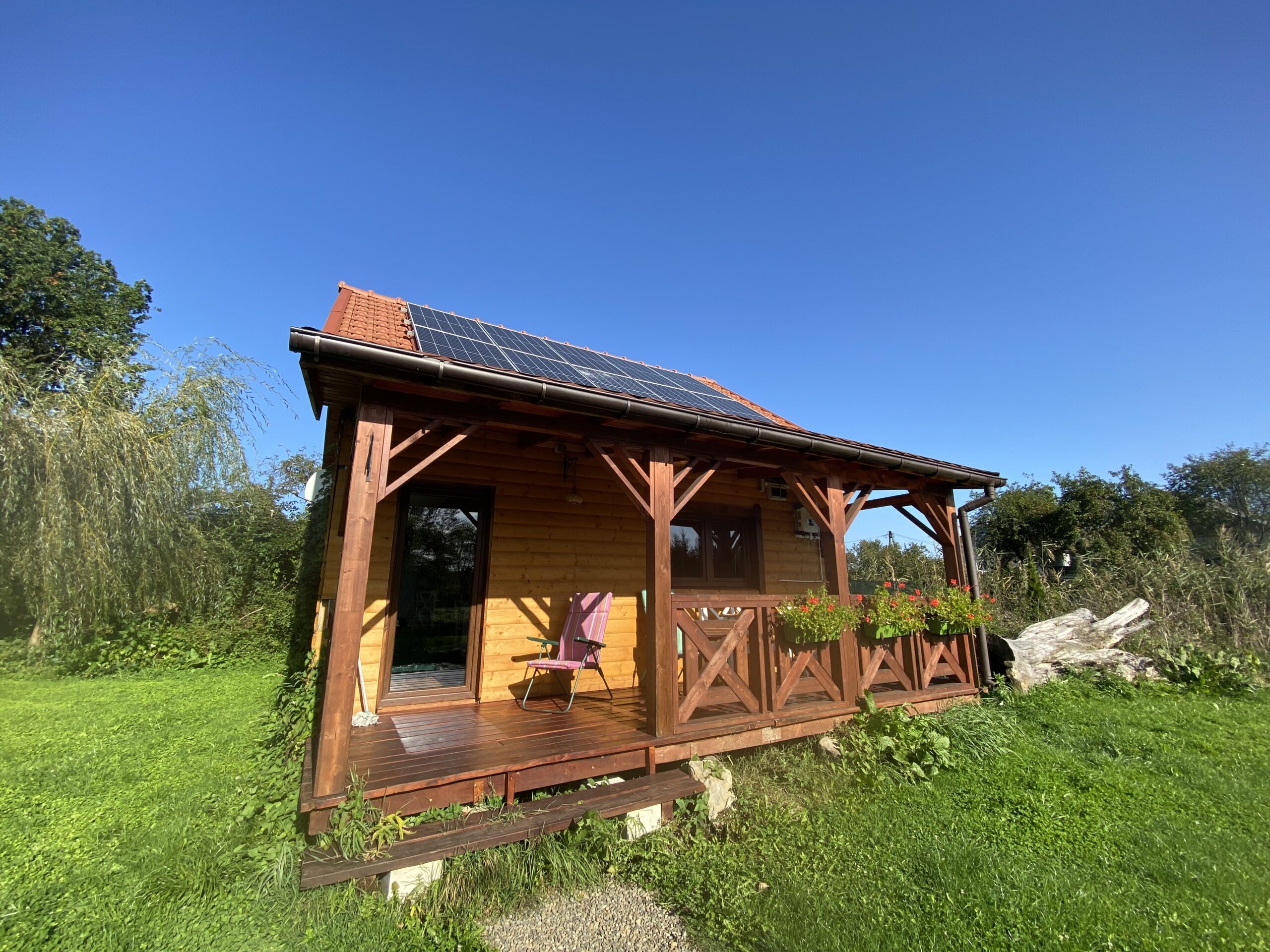
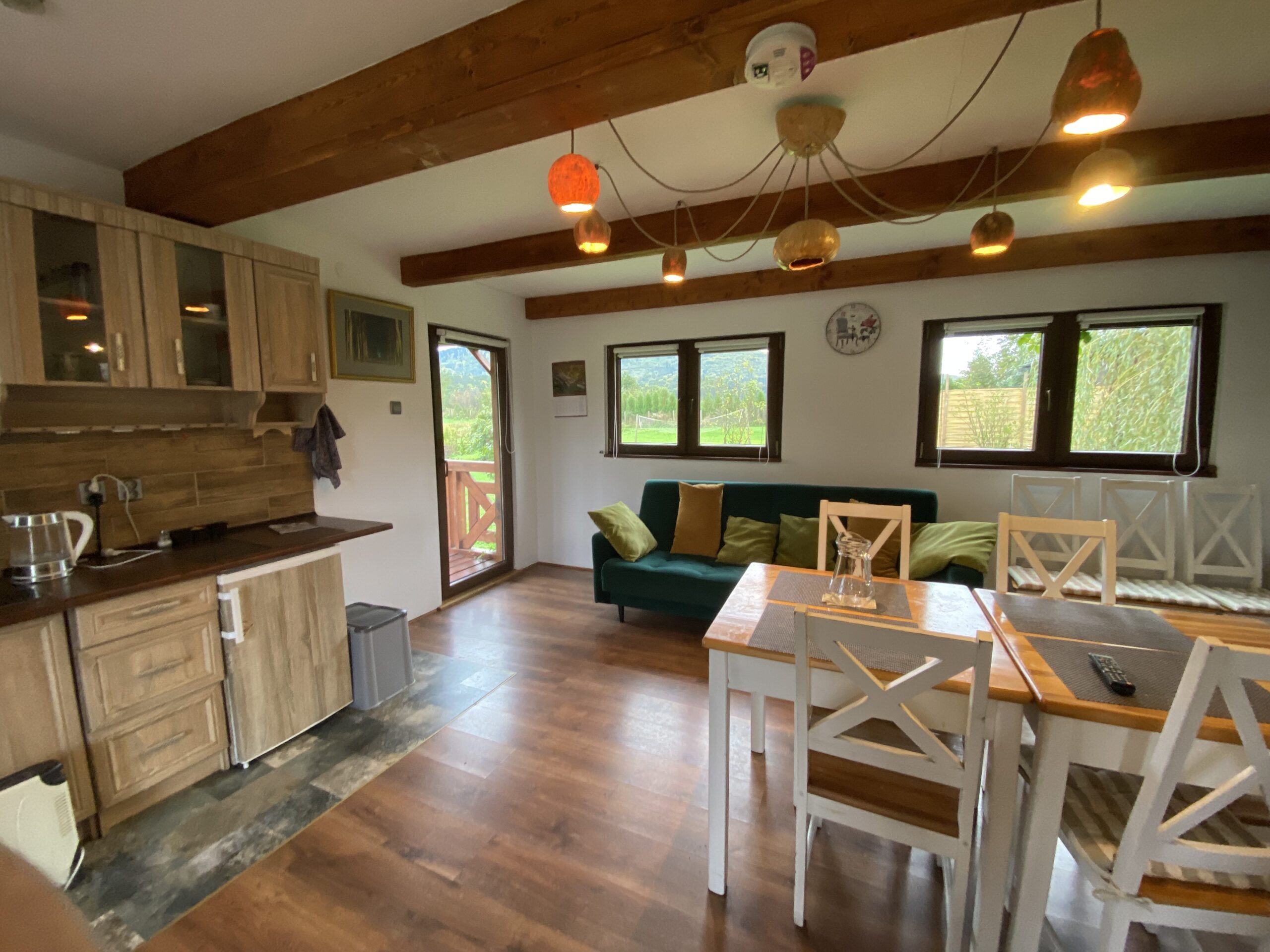
A small wooden cottage. Kitchen, fridge, and even a wood-burning stove for cooler evenings.
When I arrived in the dark and felt the cold, my host immediately helped me light the fireplace. Within 10 minutes the whole room was warm.
Every day fresh eggs, homemade pumpkin products and fruit liqueurs waited by the door — all free, all from the heart.
Before bed — a moment in the garden. Complete silence. Clean air. And in the background — the call of deer.
I recommend this place without hesitation. Link Airbnb the cottage.
Day Free of Dialysis No. 1 — Serpentines, a Castle and Gliders
Up at 7:45. The Bieszczady mountains are waiting.
The Słonne Serpentines
Leaving Mrzygłód I head towards national road 28.
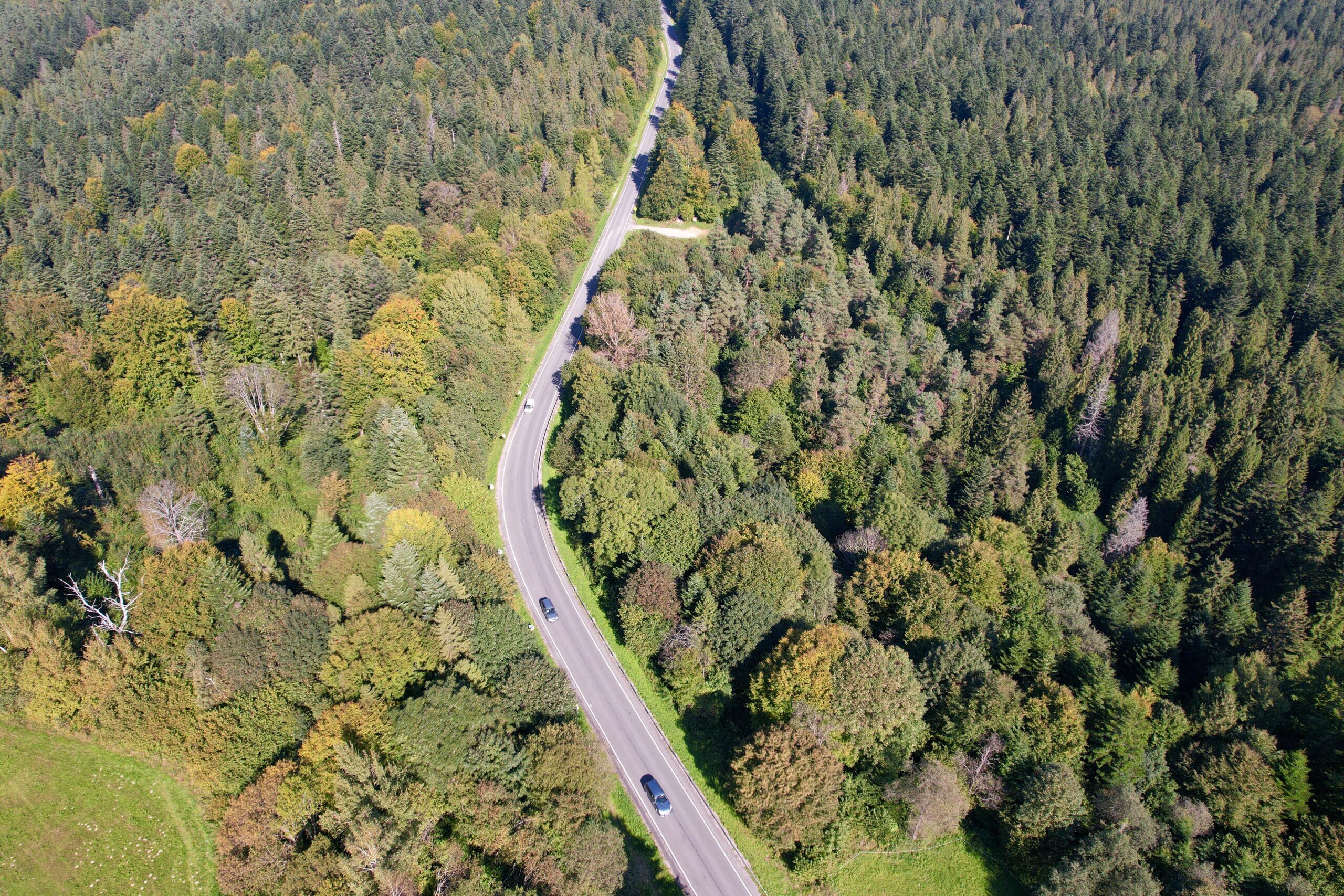
Between Tyrawa Wołoska and the village of Wujskie lies the longest stretch of serpentines in Poland — 18 consecutive bends. Every turn reveals a new panoramic view of the Bieszczady mountains.
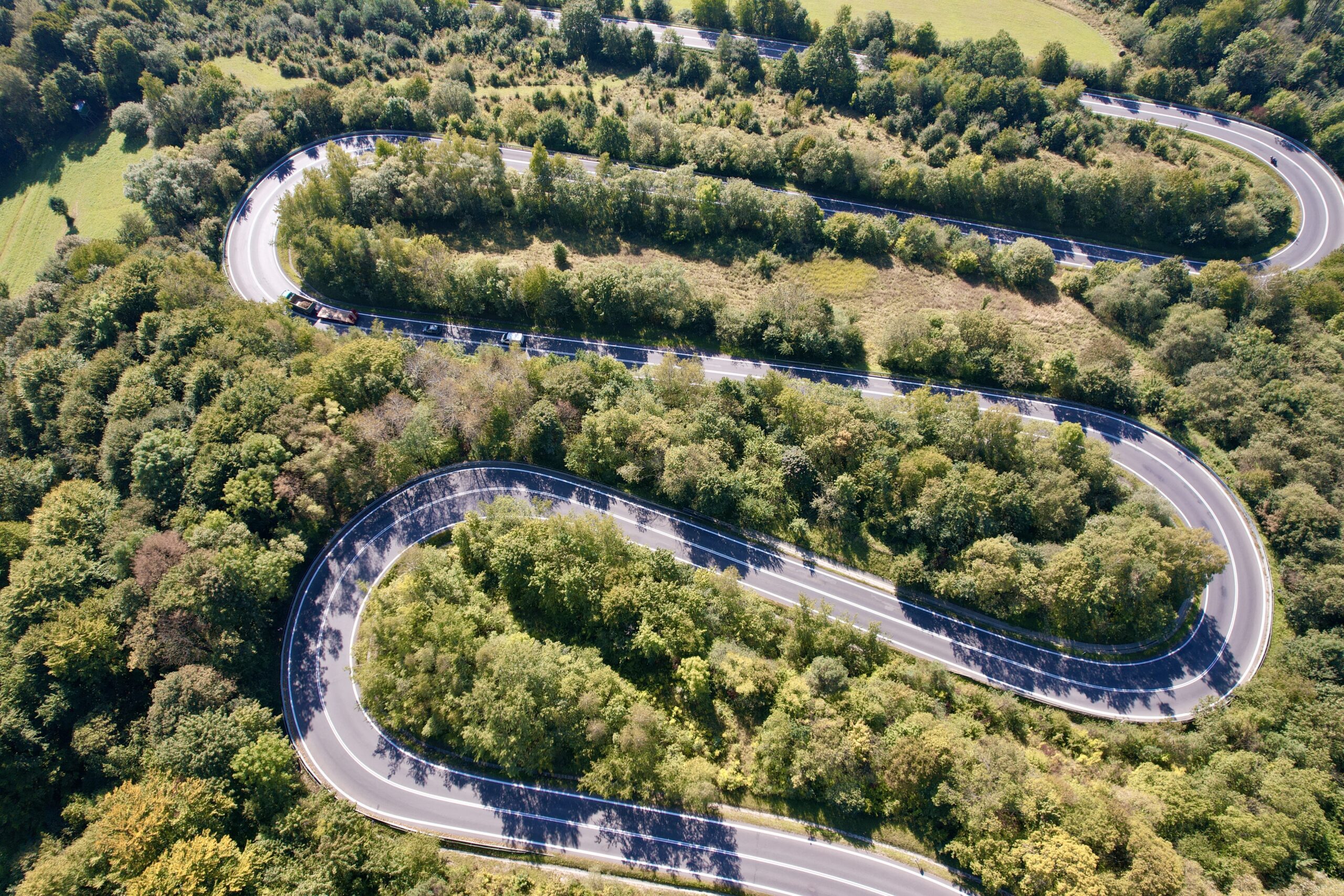
Just under a kilometre from Przysłup Pass (636 m above sea level) there is a viewpoint. Worth stopping.
The Ruins of Sobień Castle
Coming down the serpentines towards Sanok I turn left towards Załuż.
A large free car park sits at the start of the trail. The route to the ruins is short and easy — just 300 metres, gently uphill, ending with a wooden staircase.
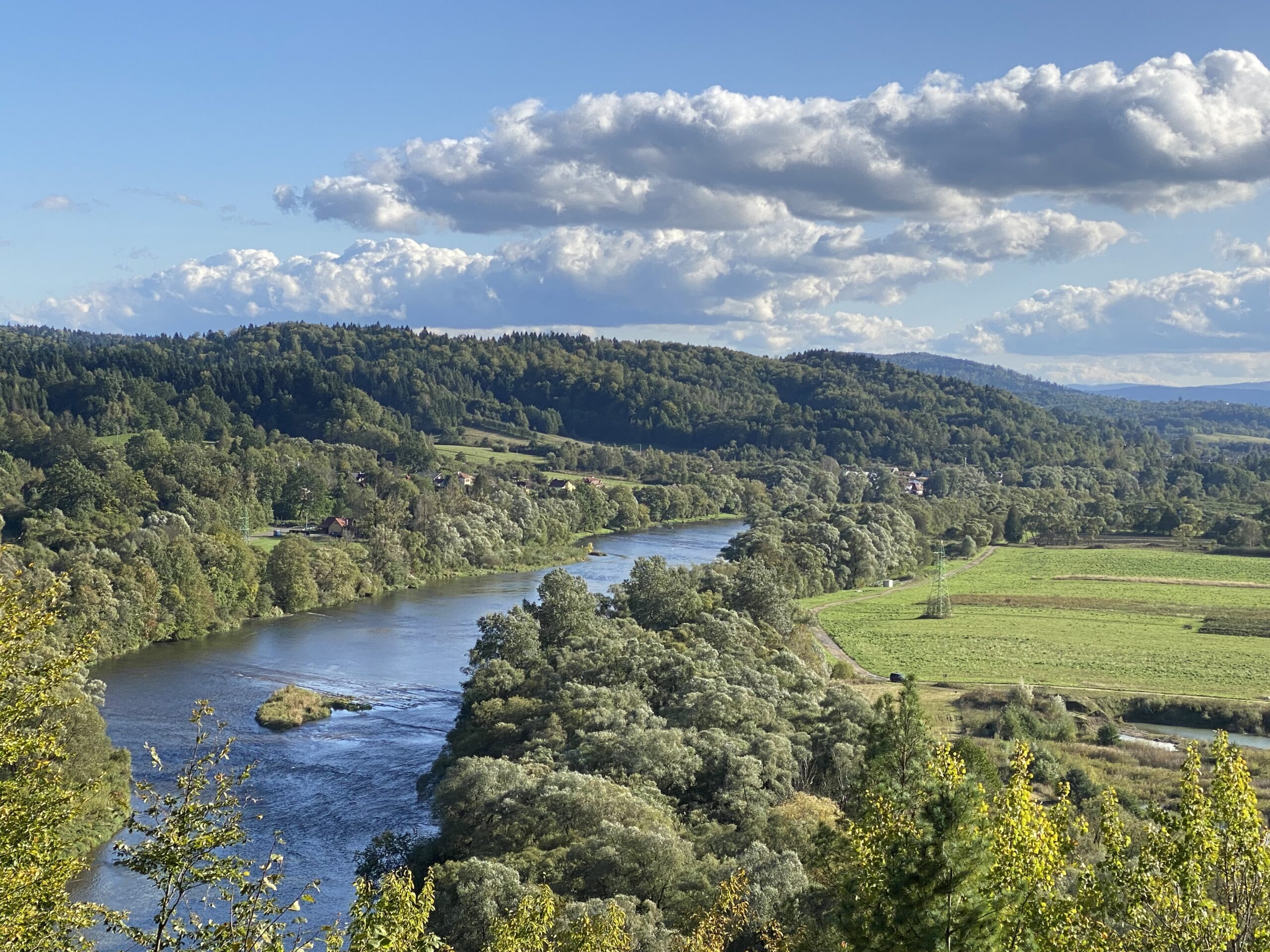
At the top, a viewing terrace with a breathtaking view of the San River and the Bieszczady mountain ranges. On a clear day you can see the peak of Tarnica.
In season, Bar pod Sobieniem operates near the castle. Must-orders — blueberry dumplings, grilled sausage and prozaki bread rolls. Simple and absolutely delicious.
This time I decided to make an exception. When travelling on dialysis I always watch my fluid intake carefully — and food too, since water is hidden in almost everything you eat. But that day I simply couldn’t resist. I had a proper, generous meal — honest home cooking at its very best. Even the coffee was outstanding. Any regrets? Not a single one.
The Glider Airfield at Bezmiechowa Górna
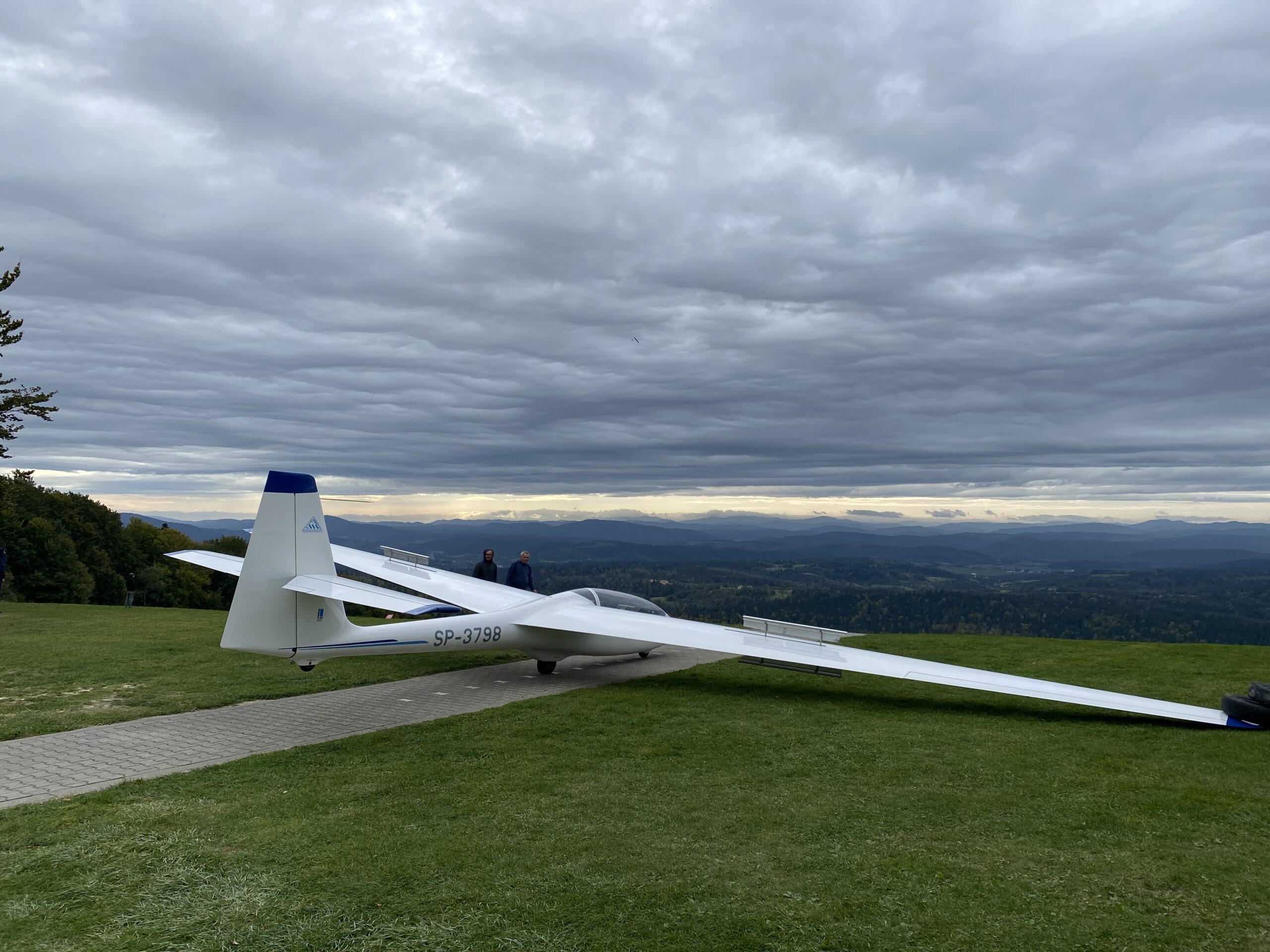
Just 11 km from the castle — a steep, winding climb to the Academic Gliding Centre.
At 450 metres above sea level, in the heart of the Słonne Mountains Landscape Park, this is one of the most beautiful viewpoints in the entire Bieszczady region. In good weather you can watch gliders and paragliders taking off.


On site — the Kamionka restaurant, serving tasty home-cooked food.
Ursa Maior Brewery
11 km from the airfield, in Uherce Mineralne.
Ursa Maior is a paradise for beer lovers.
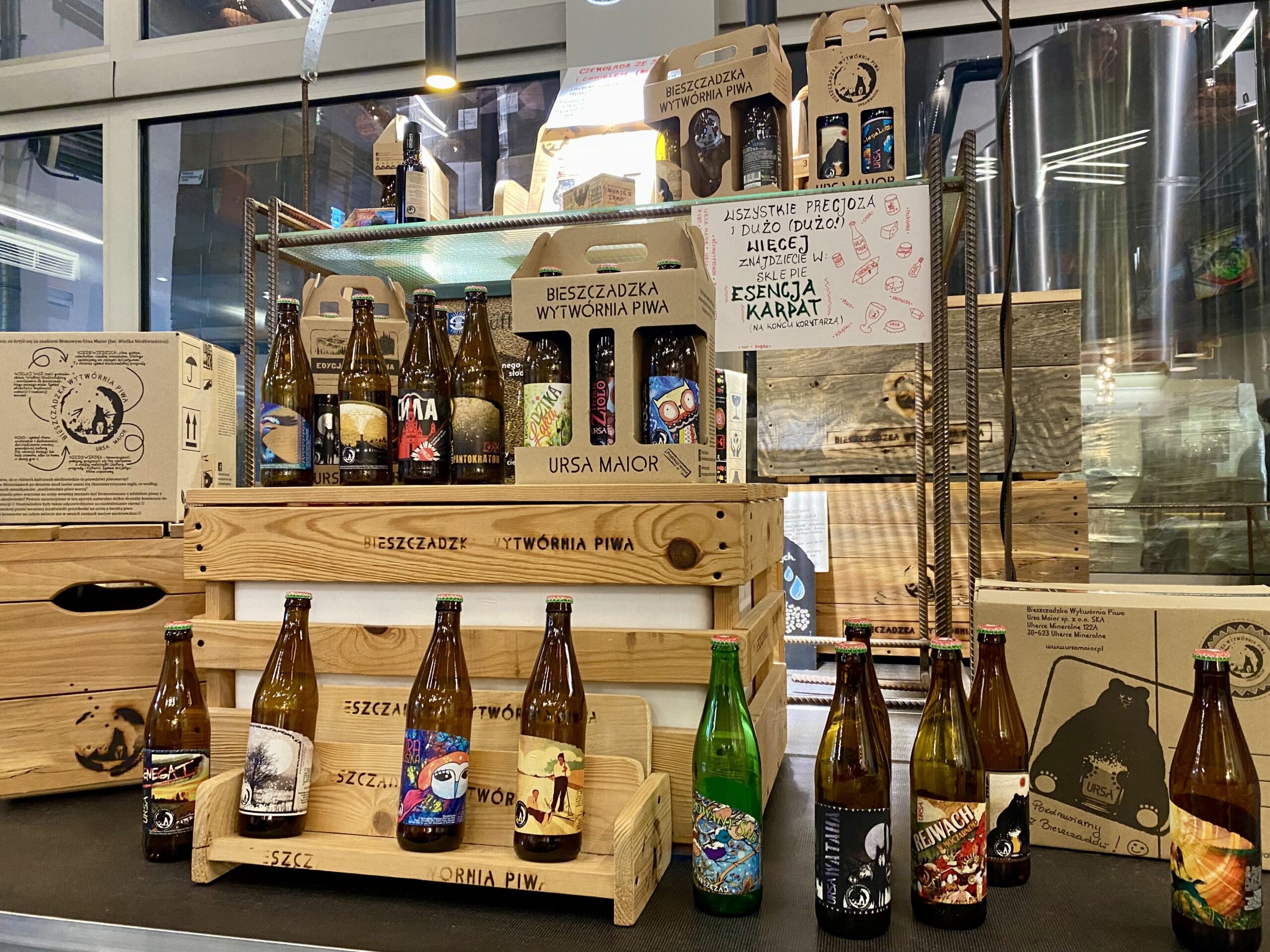
A wide range of flavours, local ingredients, high quality. Prices are on the higher side — but the beer is truly exceptional.
The Open Air Museum in Sanok
To close the day — the Open Air Museum of Folk Architecture in Sanok.
Allow at least 1.5 hours for a comfortable visit.
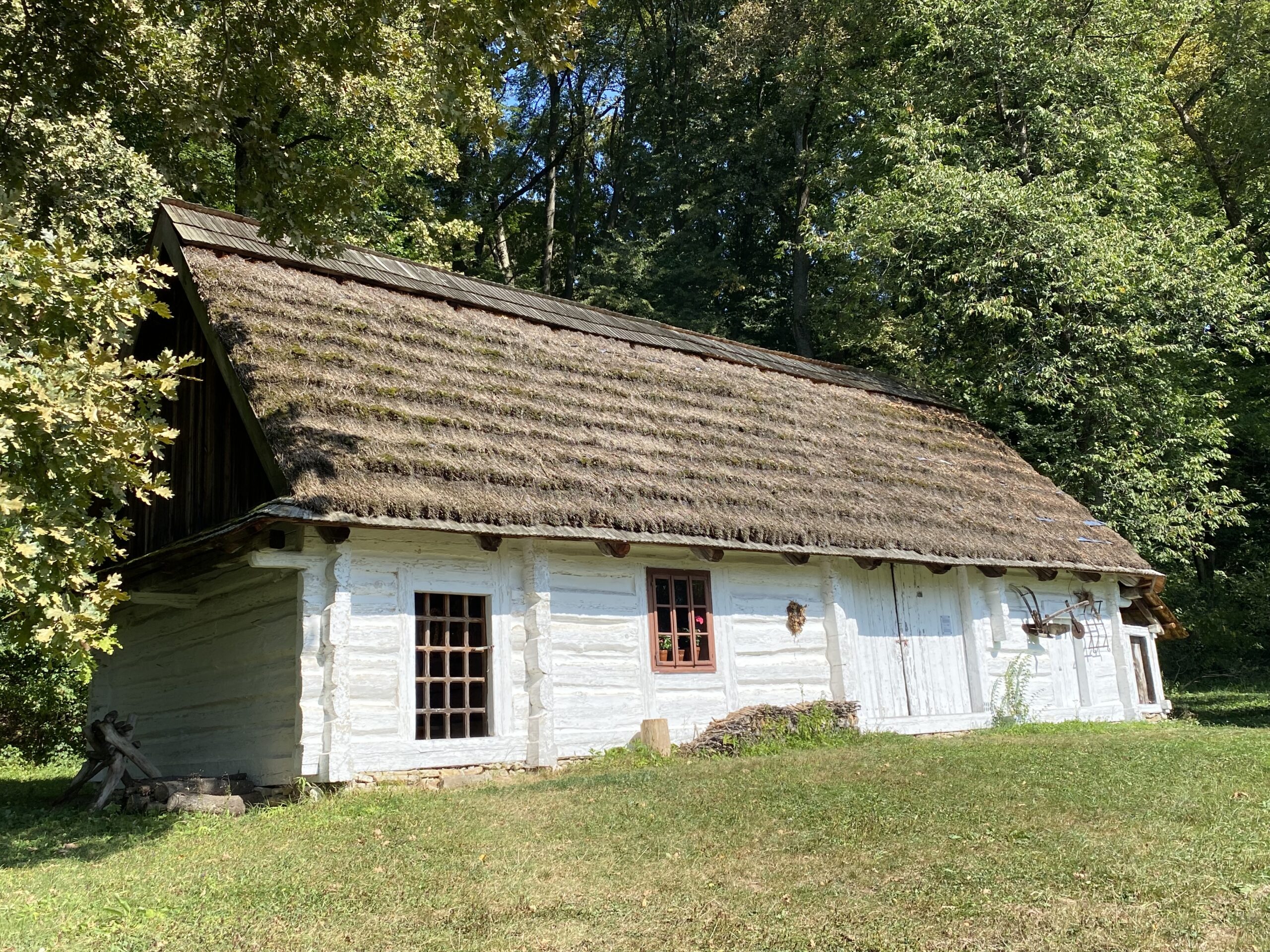
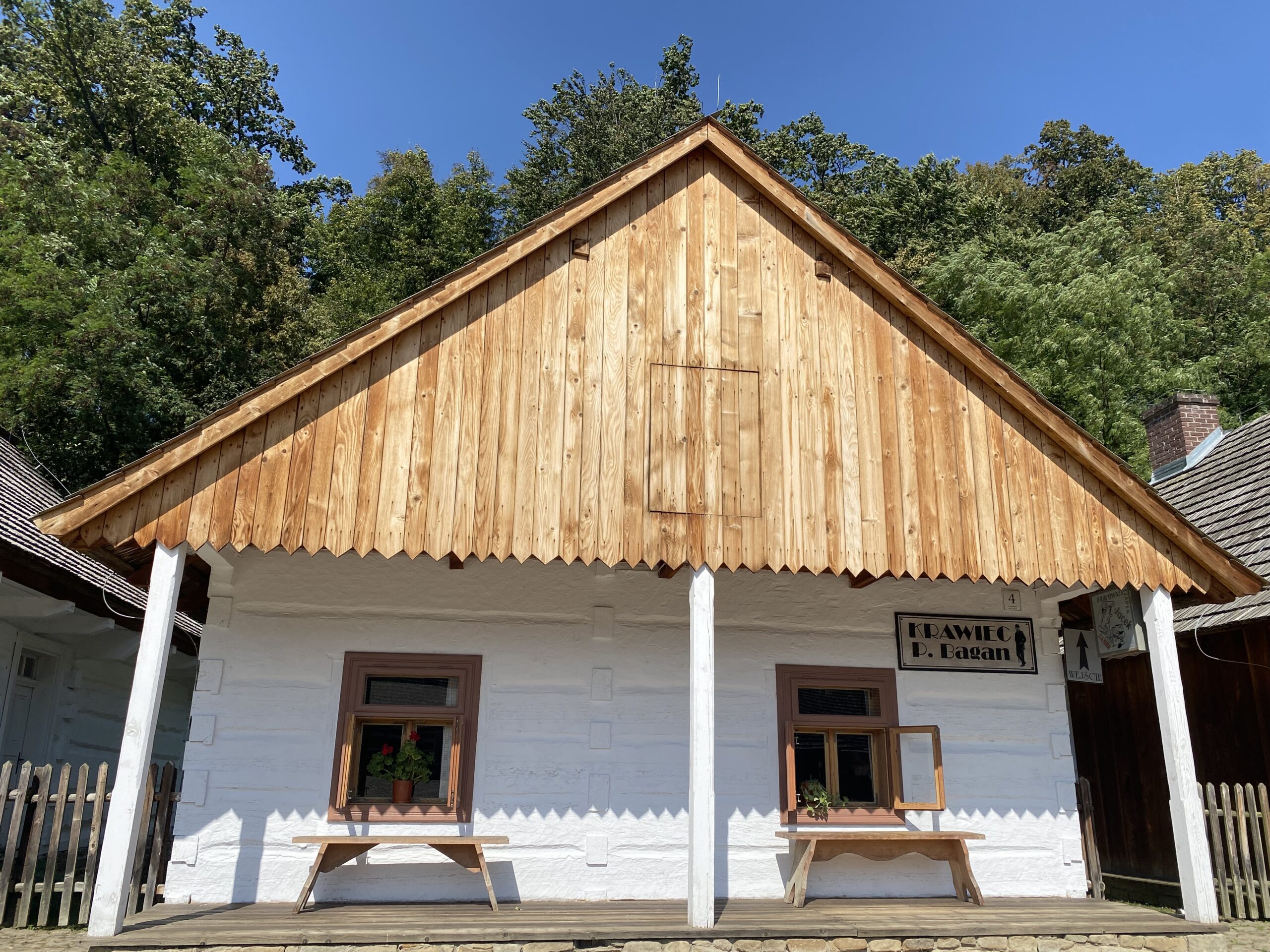
Walking among 180 wooden cottages, Orthodox churches and manor houses, you step back into the world of your ancestors. You’ll see how the Boyks, Lemkos and other communities of the region once lived — their homes, their tools, their daily lives. A journey through time.
Day Free of Dialysis No. 2 — The Great Bieszczady Loop
Setting off from Ustrzyki Dolne along road 896.
The Viewpoint at Lutowiska
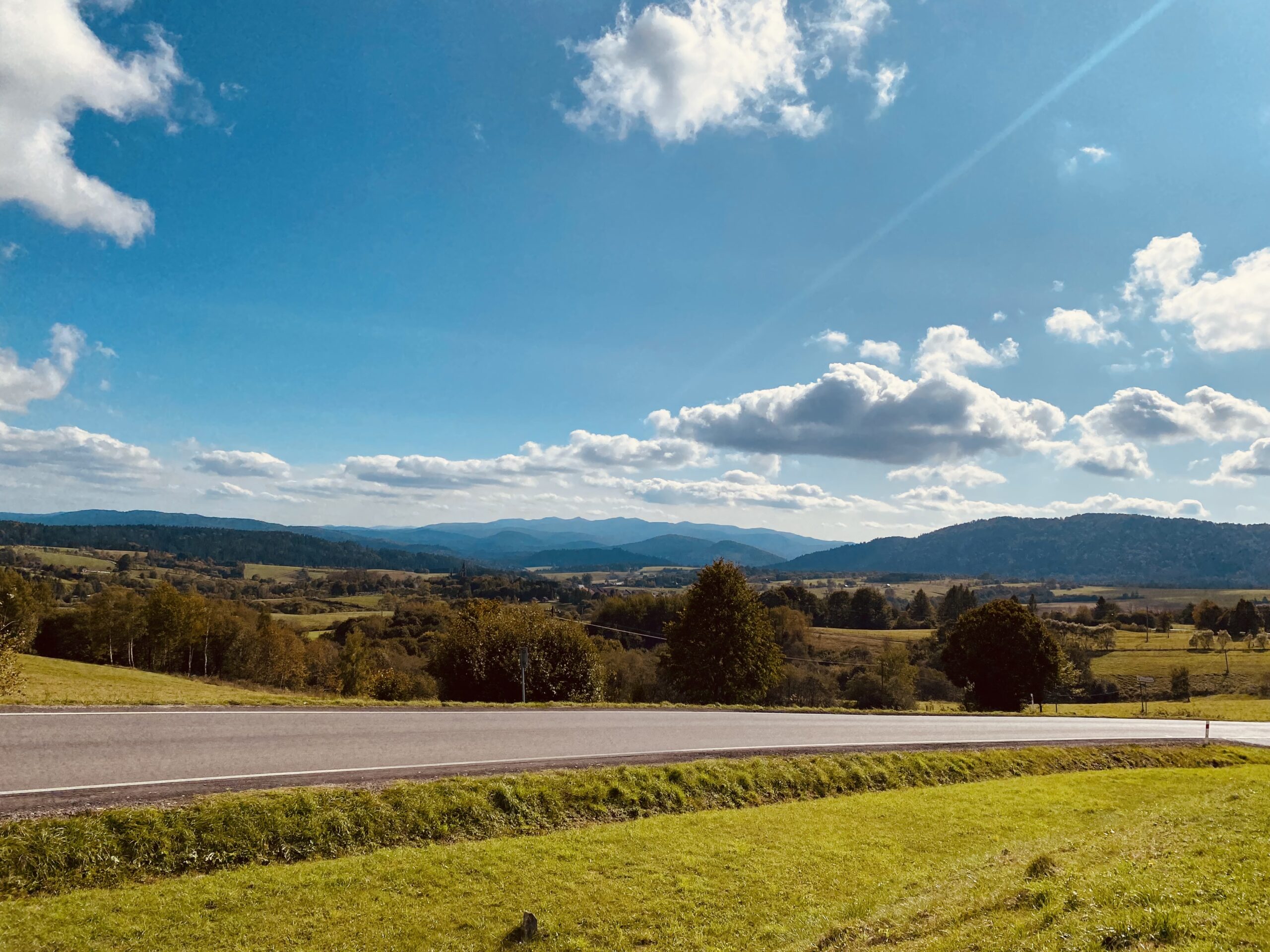
First stop — the Viewpoint in the Bieszczady Dark Sky Park near Lutowiska.
Breathtaking views of the mountain landscape and exceptional conditions for stargazing at night. One of the most special spots in the entire region.
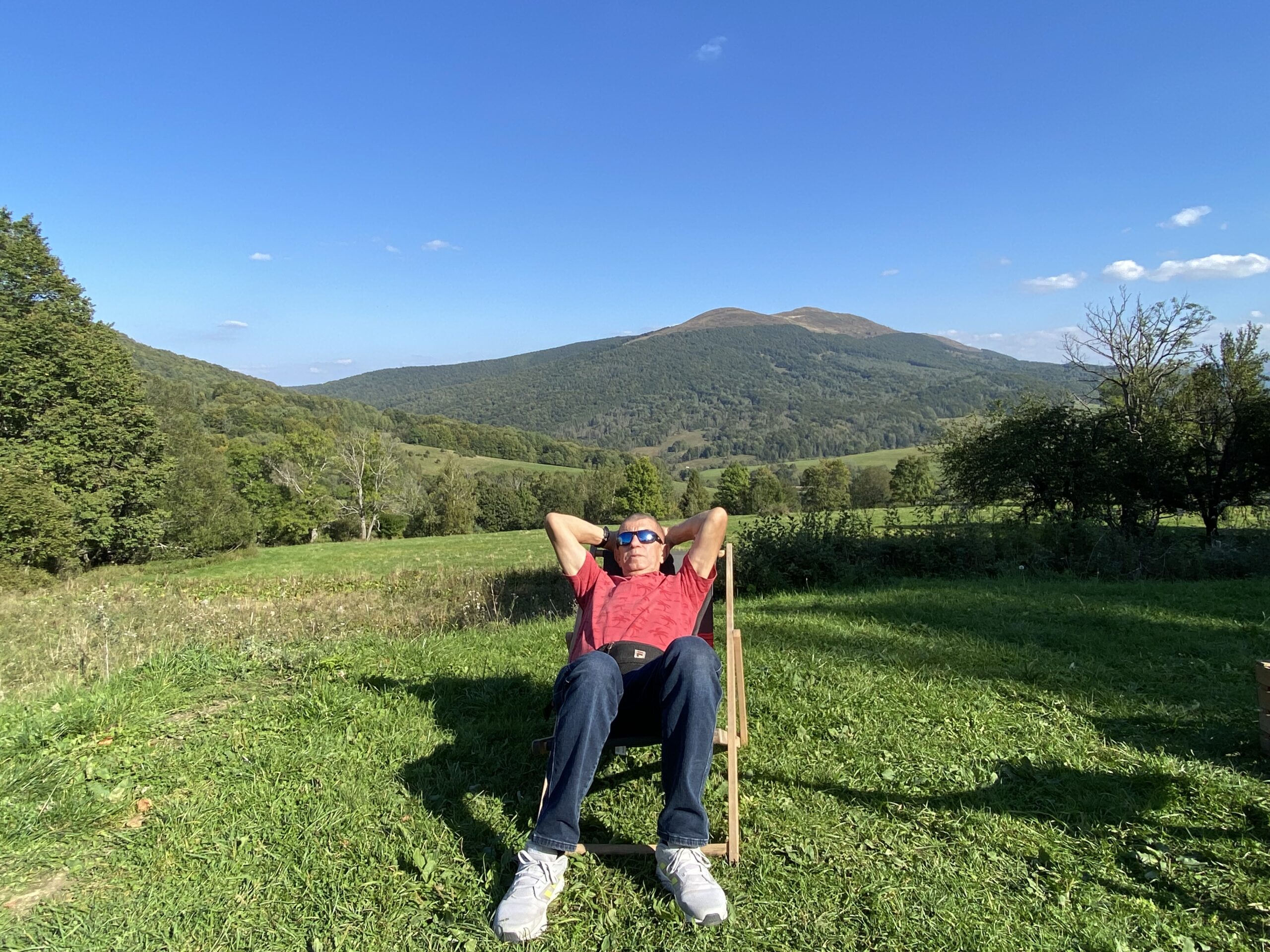
View of Połonina Caryńska
Driving the Great Bieszczady Loop I reach a small lay-by with a perfect view of the road below and Połonina Caryńska mountain meadow.
Note — in season, parking here is nearly impossible. One kilometre further there is a large car park and a restaurant with equally beautiful views.
Bar Banderoza in Liszna
When hunger strikes — take a small detour towards Liszna.
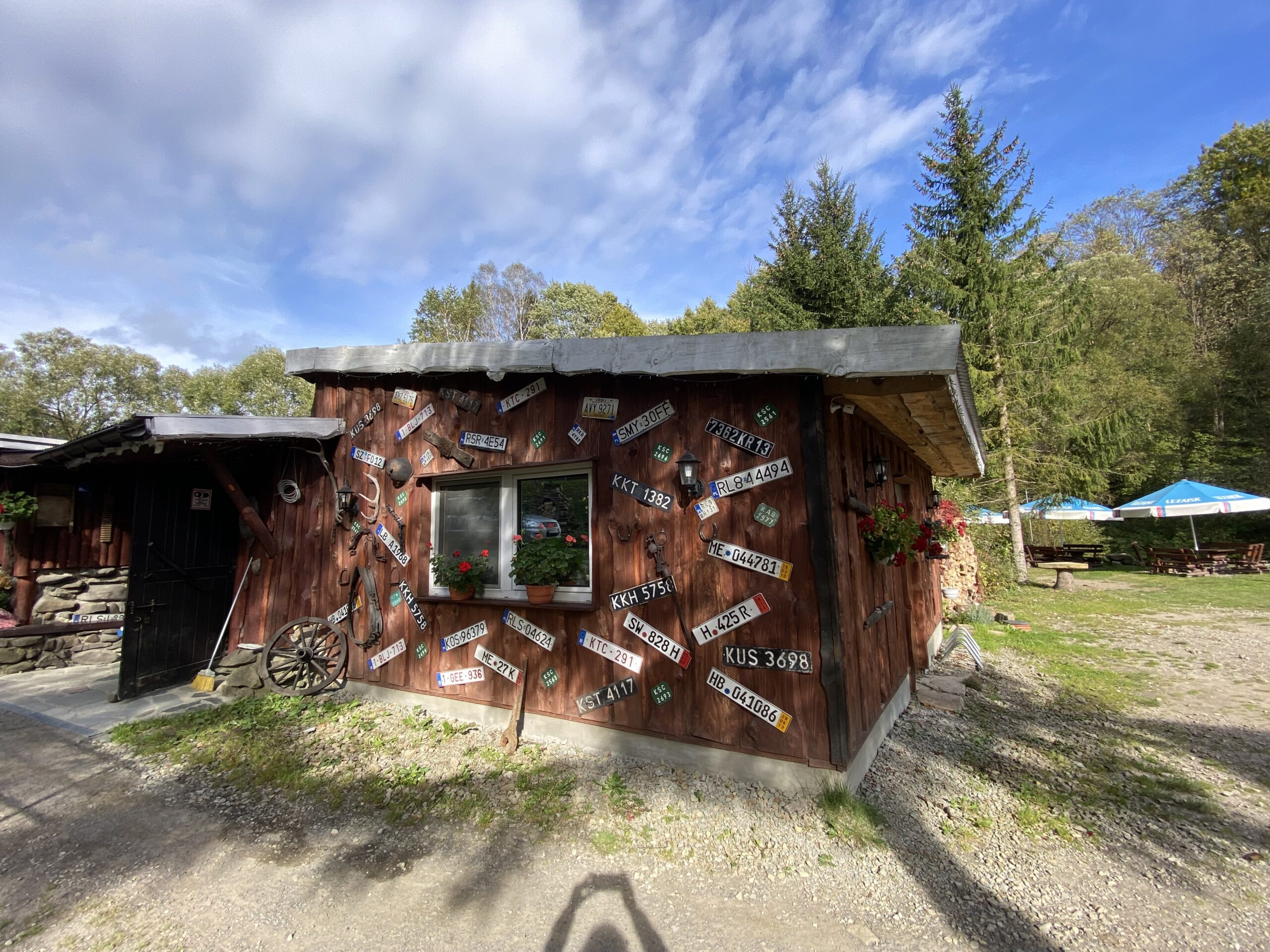
Bar Banderoza, tucked slightly off the main road, serves homemade dumplings, fresh trout and apple pie for just 10 PLN. Every penny well spent.
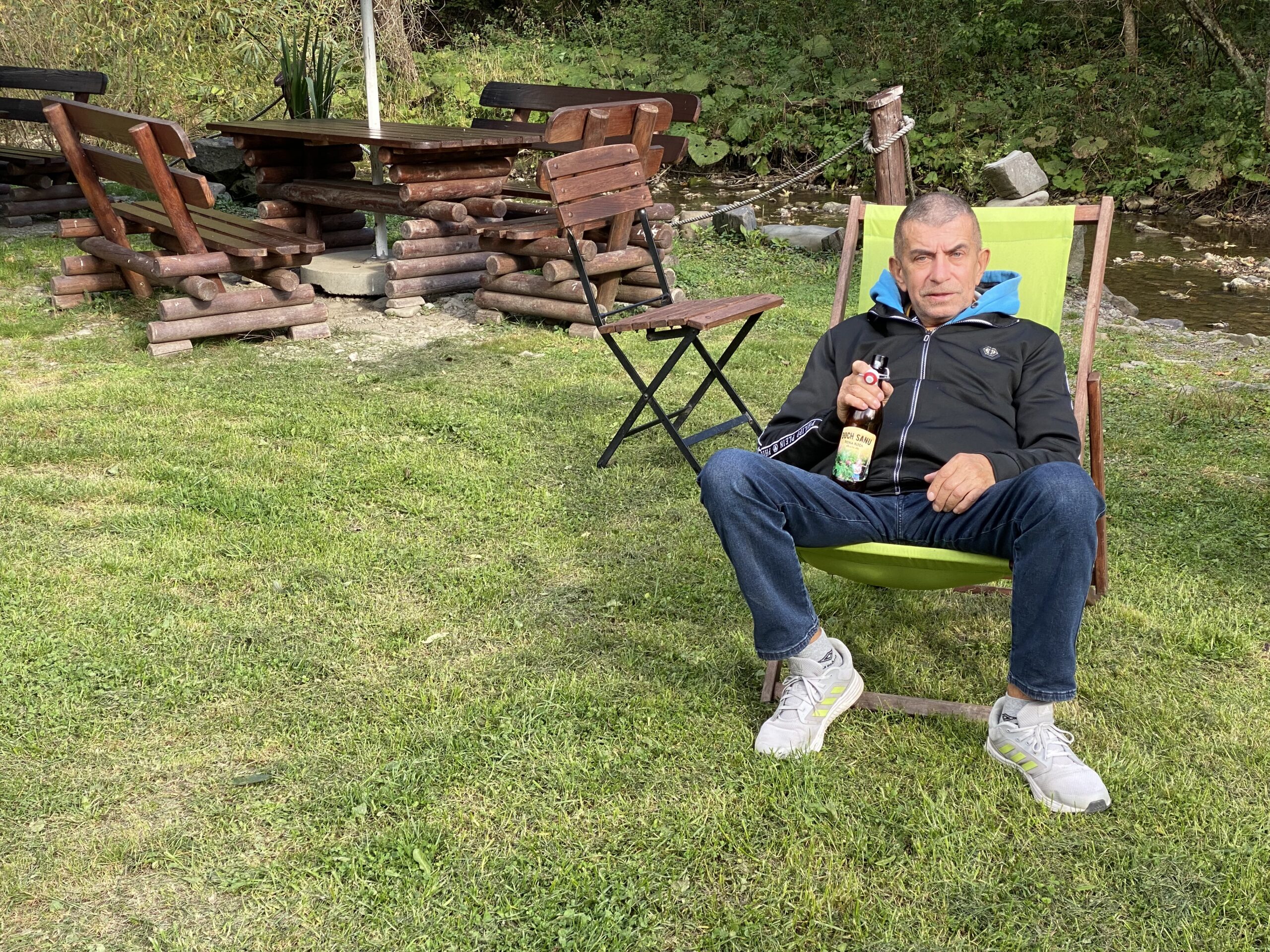
The Cable Car over Lake Solina
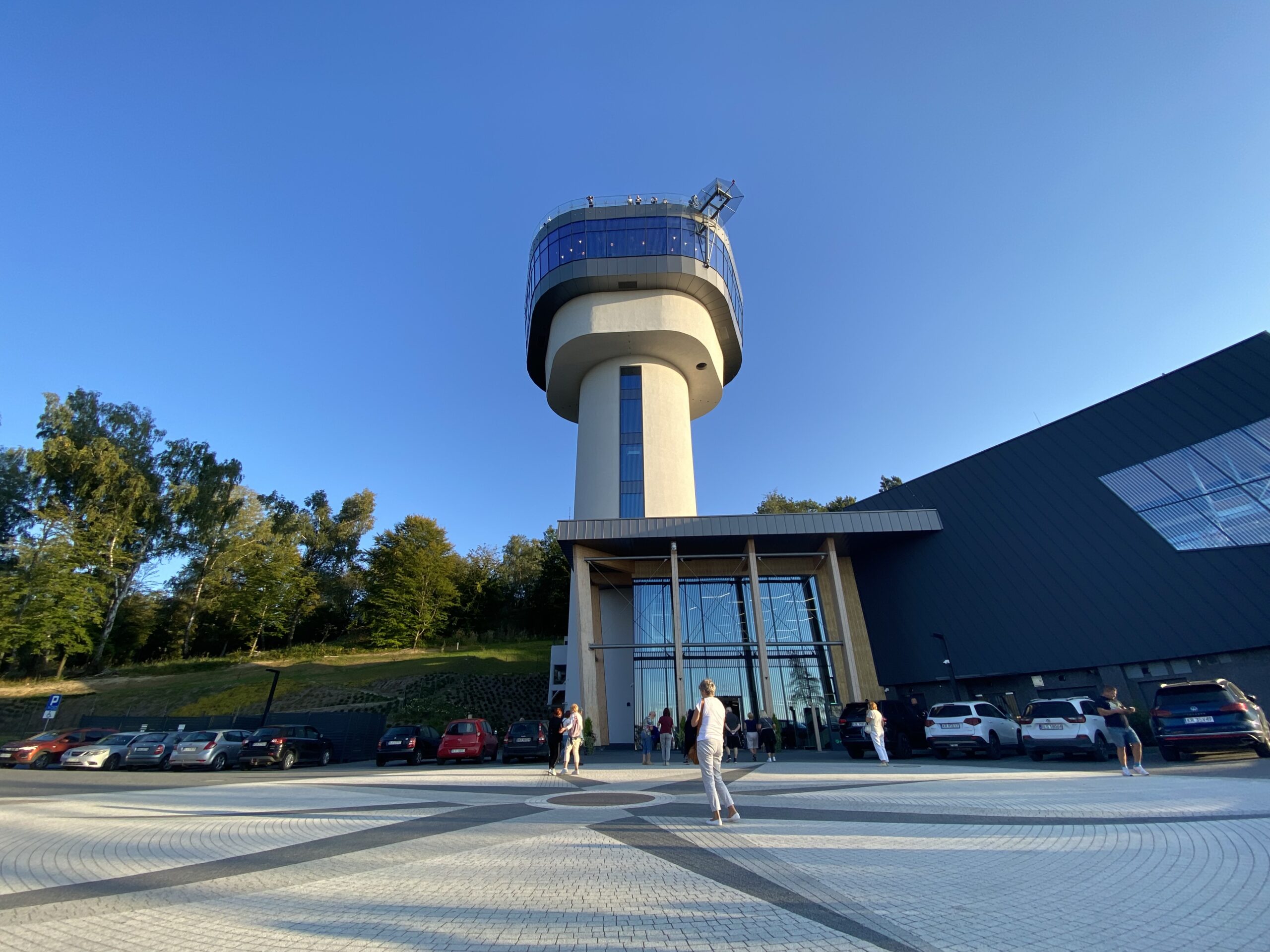
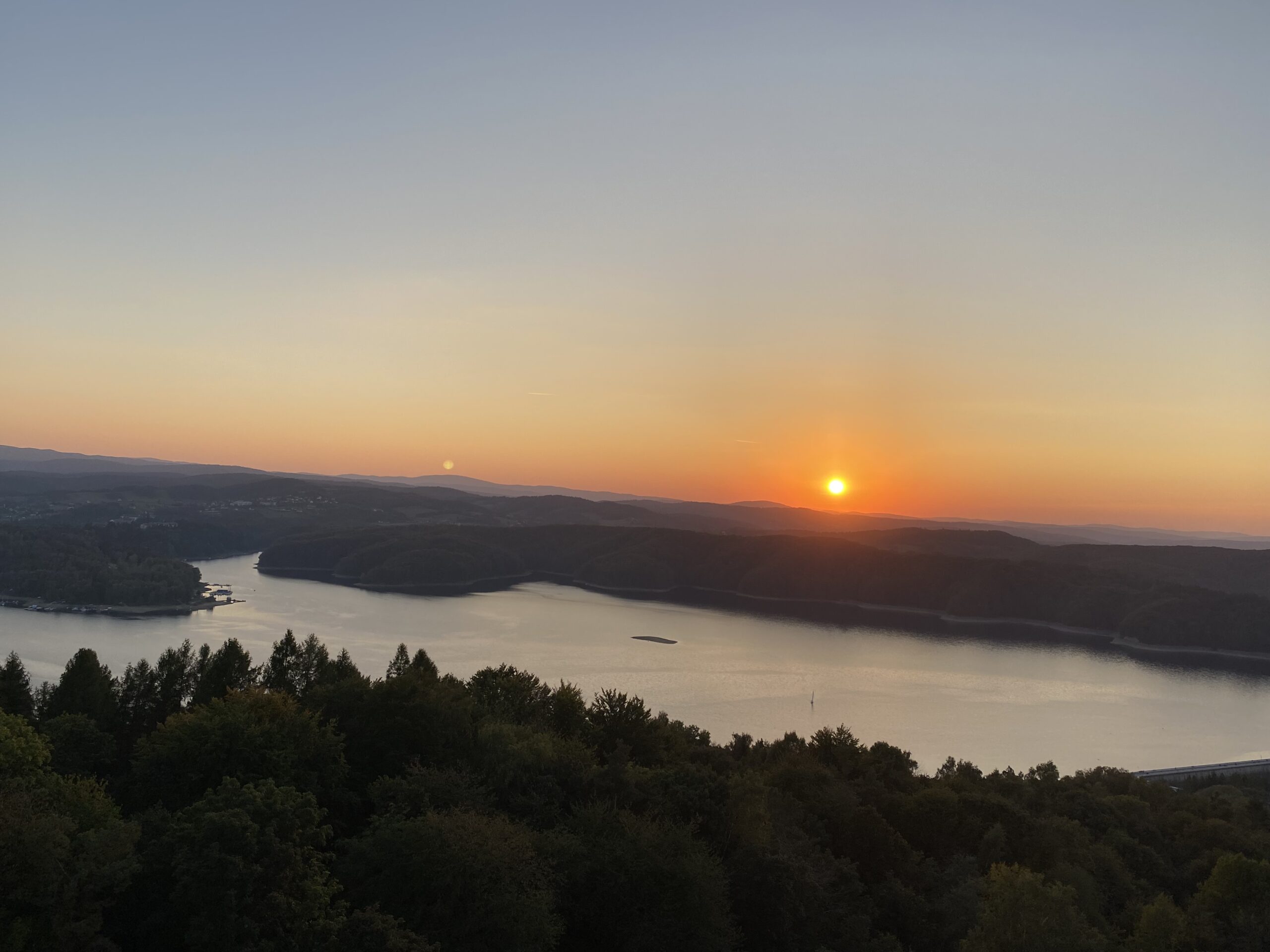
To close the day — the gondola cable car over Lake Solina.
Leaving the bar I head via the Small Bieszczady Loop straight to this famous attraction. Buy a ticket and take the ride — the view over Lake Solina from above is well worth it.
Day Free of Dialysis No. 3 — Orthodox Churches, a Monastery and Silence
My last free day was for exploring the history of the region.
Zagórz — The Ruins of the Carmelite Monastery
Starting in Zagórz, road 892.
Right at the beginning of the route — the ruins of the Discalced Carmelite Monastery, founded in the early 18th century by Voivode Jan Adam Stadnicki.
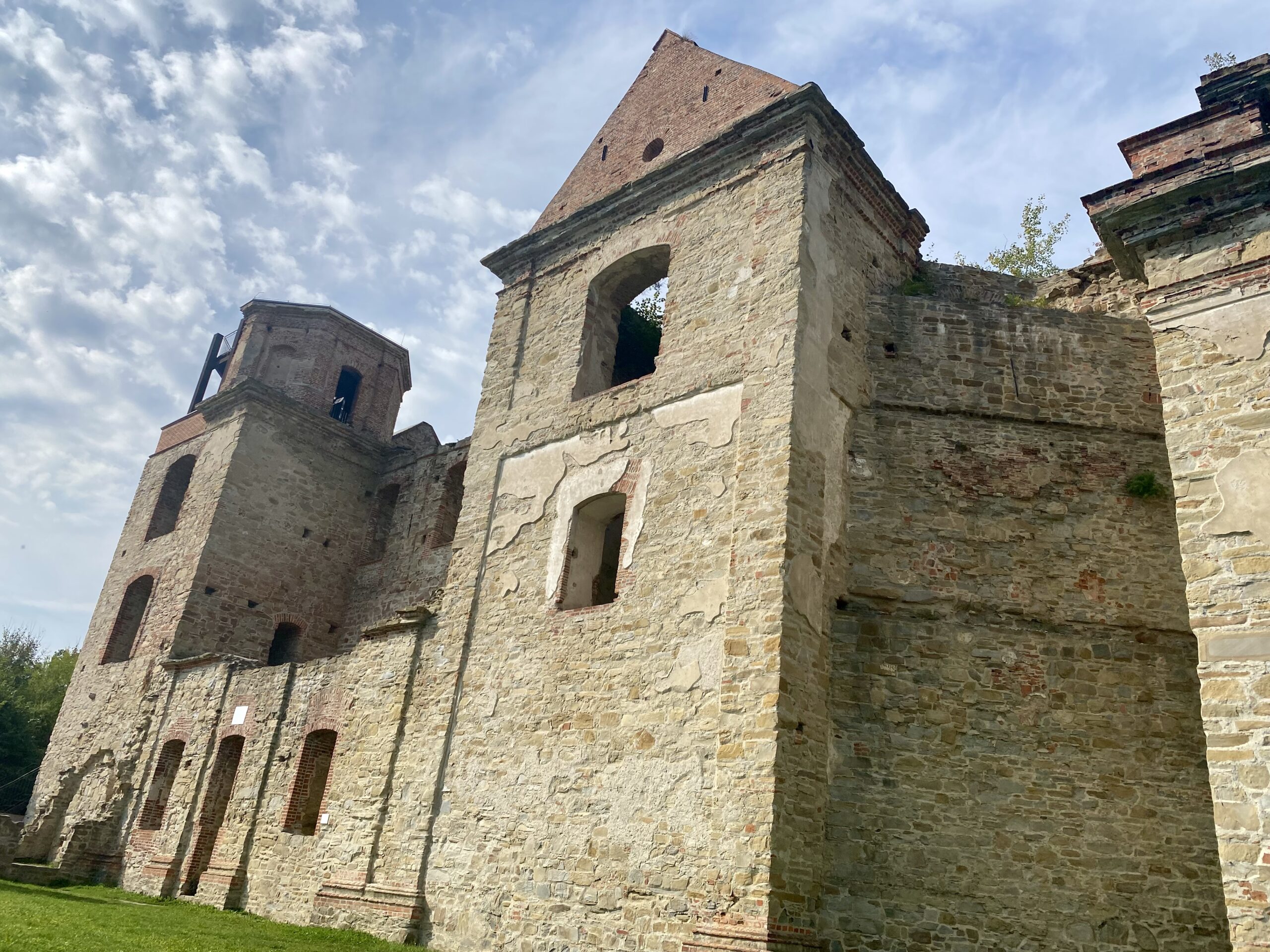
One of the very few fortified monasteries in Poland, perched on the hill of Mariemont.
The Orthodox Church in Szczawne
A former Greek Catholic church of the Dormition of the Mother of God, built in 1889.
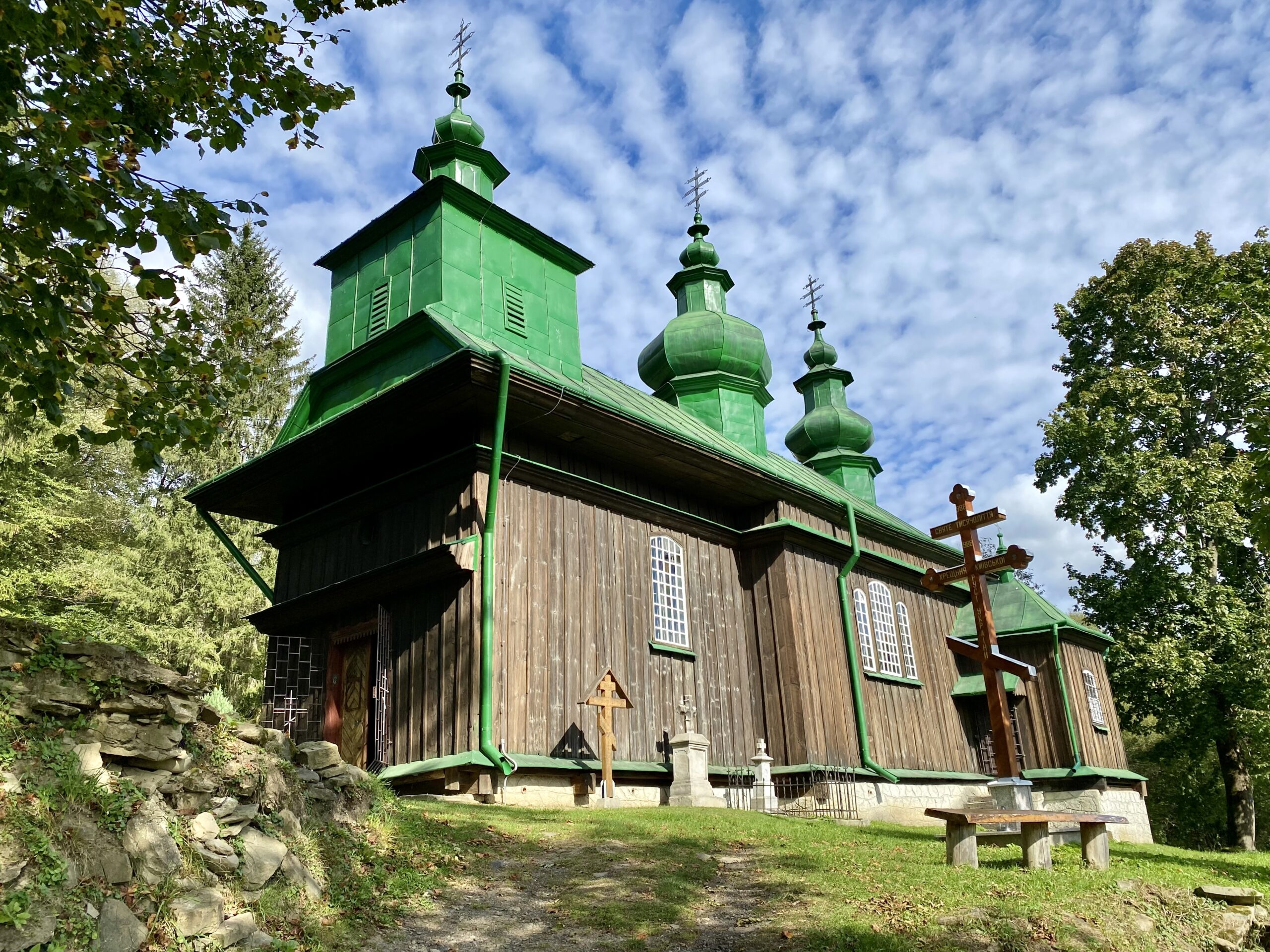
A witness to the turbulent history of this region. After World War II, following the forced displacement of the Ukrainian population, it faced demolition. Fortunately it survived.
The Monastery in Komańcza
Komańcza — considered the gateway to the true Bieszczady.
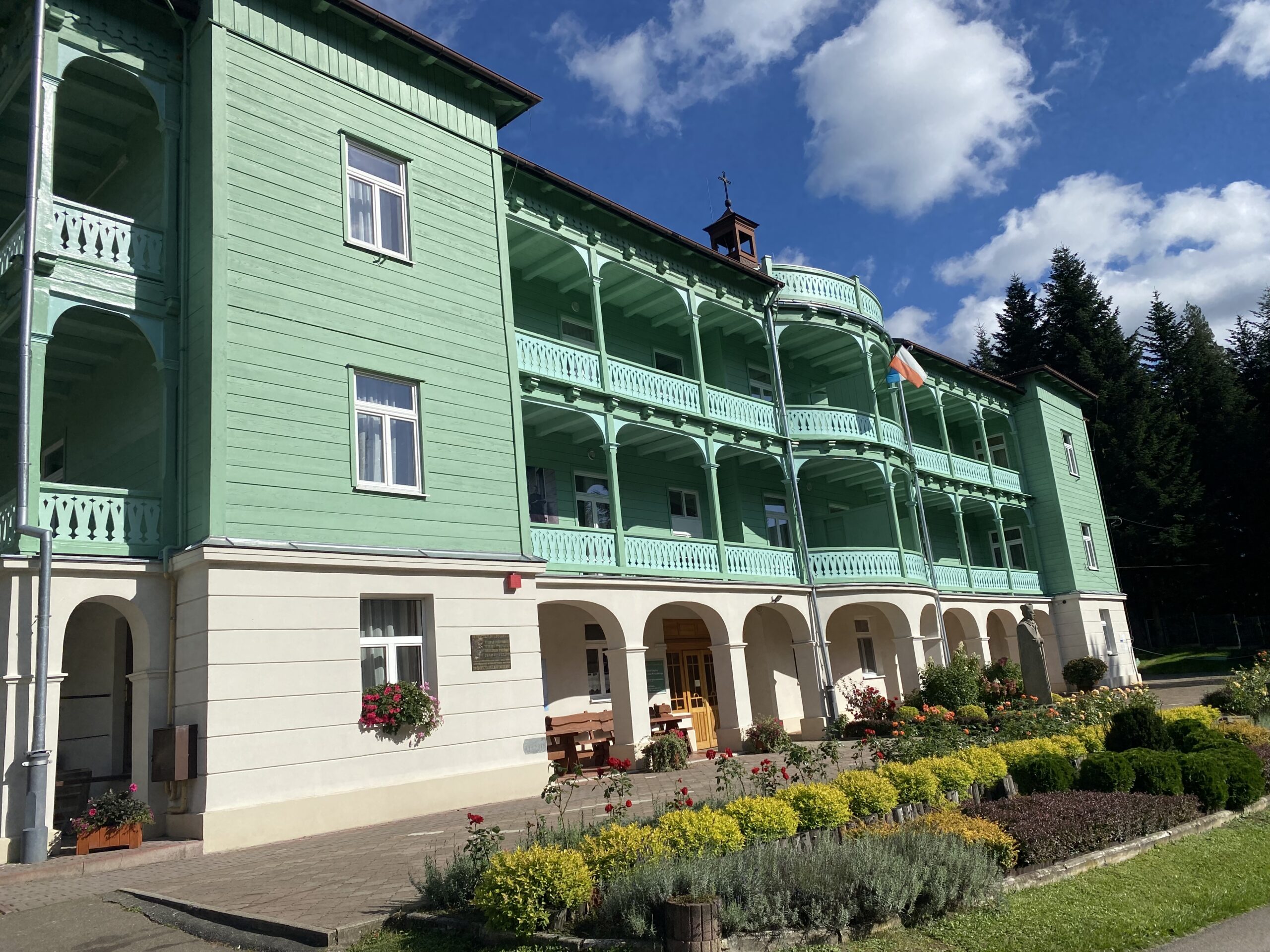
It was here, in 1955, that the internment of Cardinal Stefan Wyszyński by the communist authorities came to an end. The Nazareth Sisters Monastery is a place of both religious and historical significance.
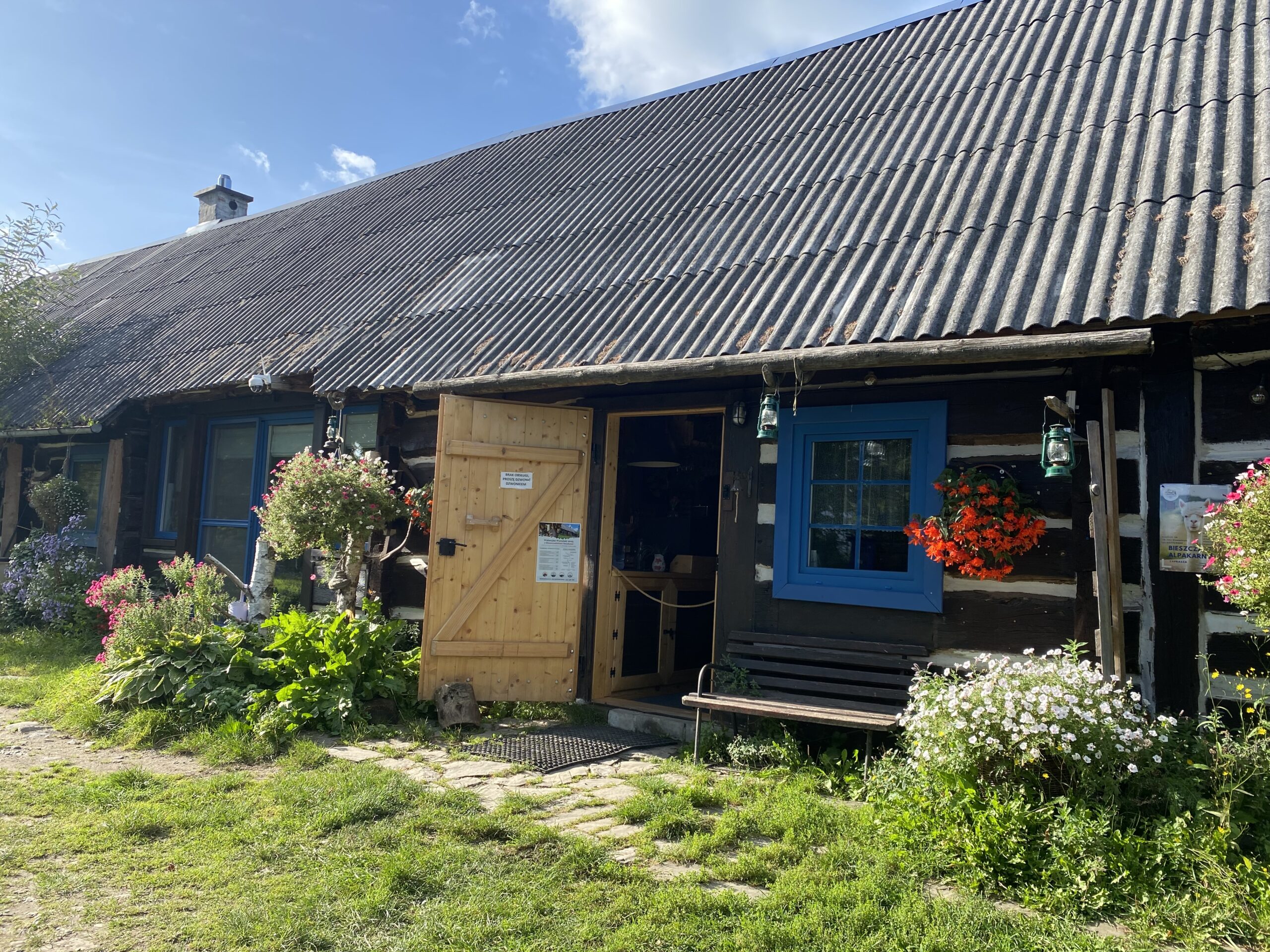
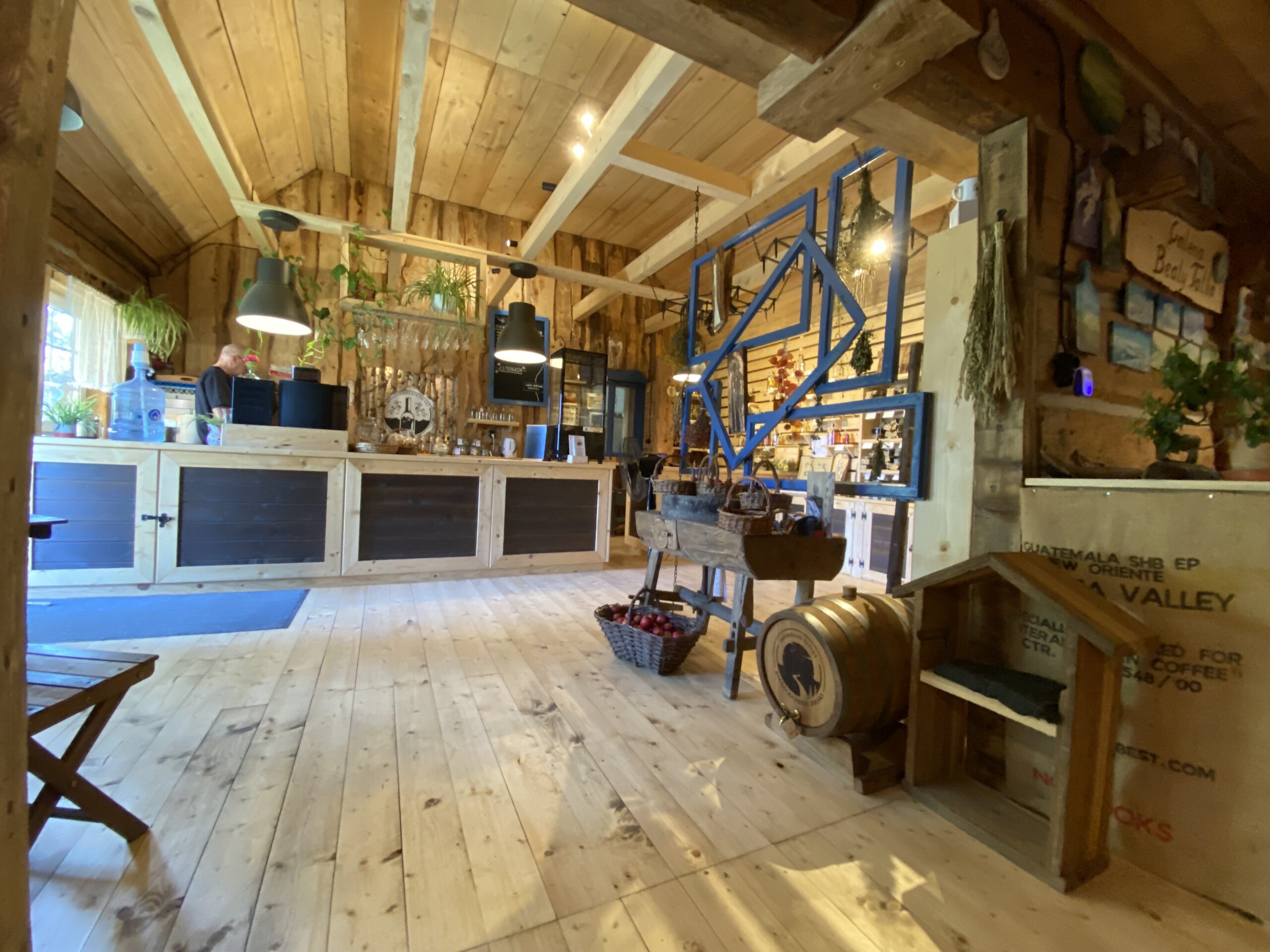
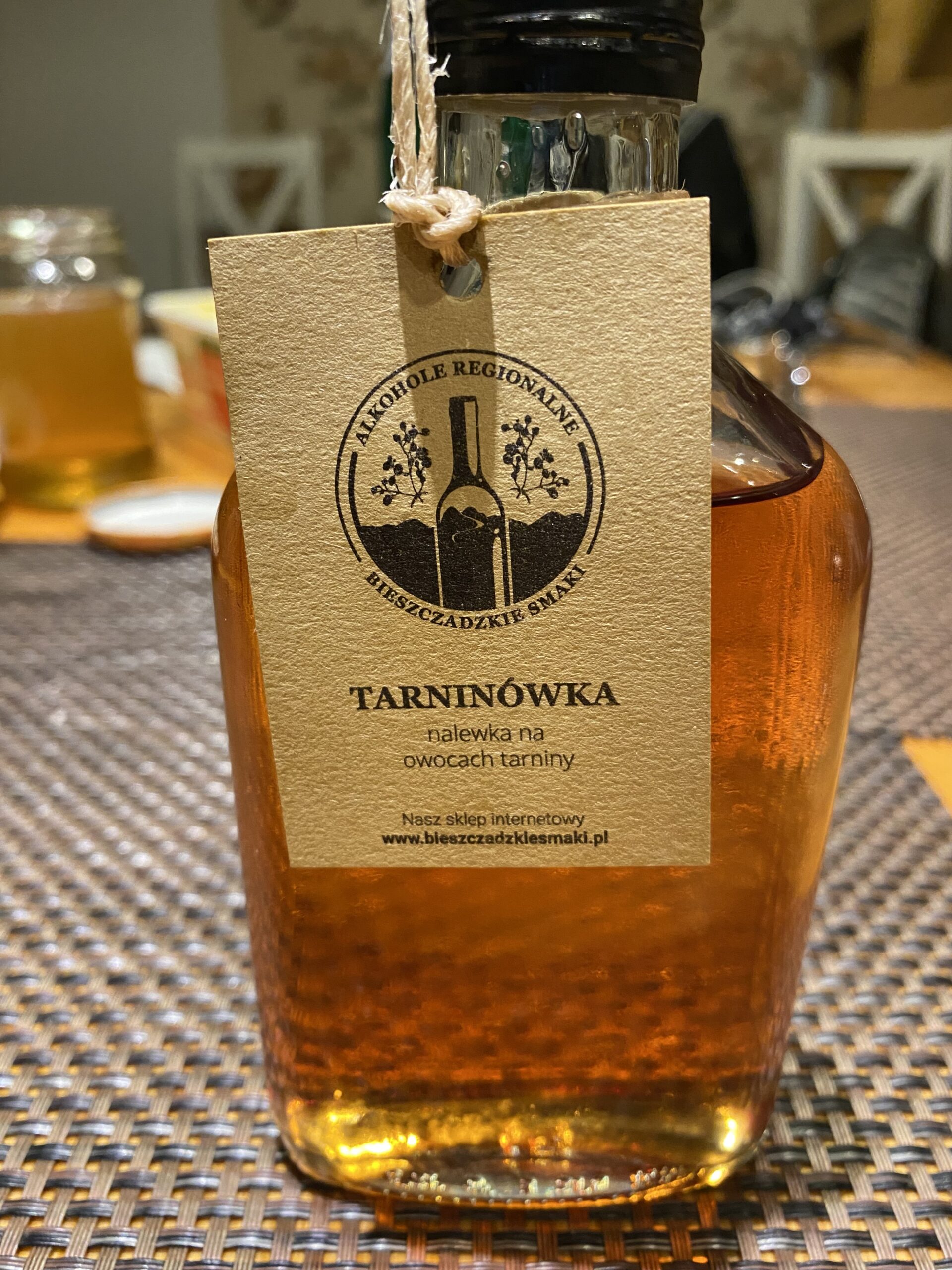
On the route, stop at Bieszczady Flavours — excellent fruit liqueurs and homemade products straight from local producers.
Przełęcz nad Roztokami — Farewell to the Bieszczady
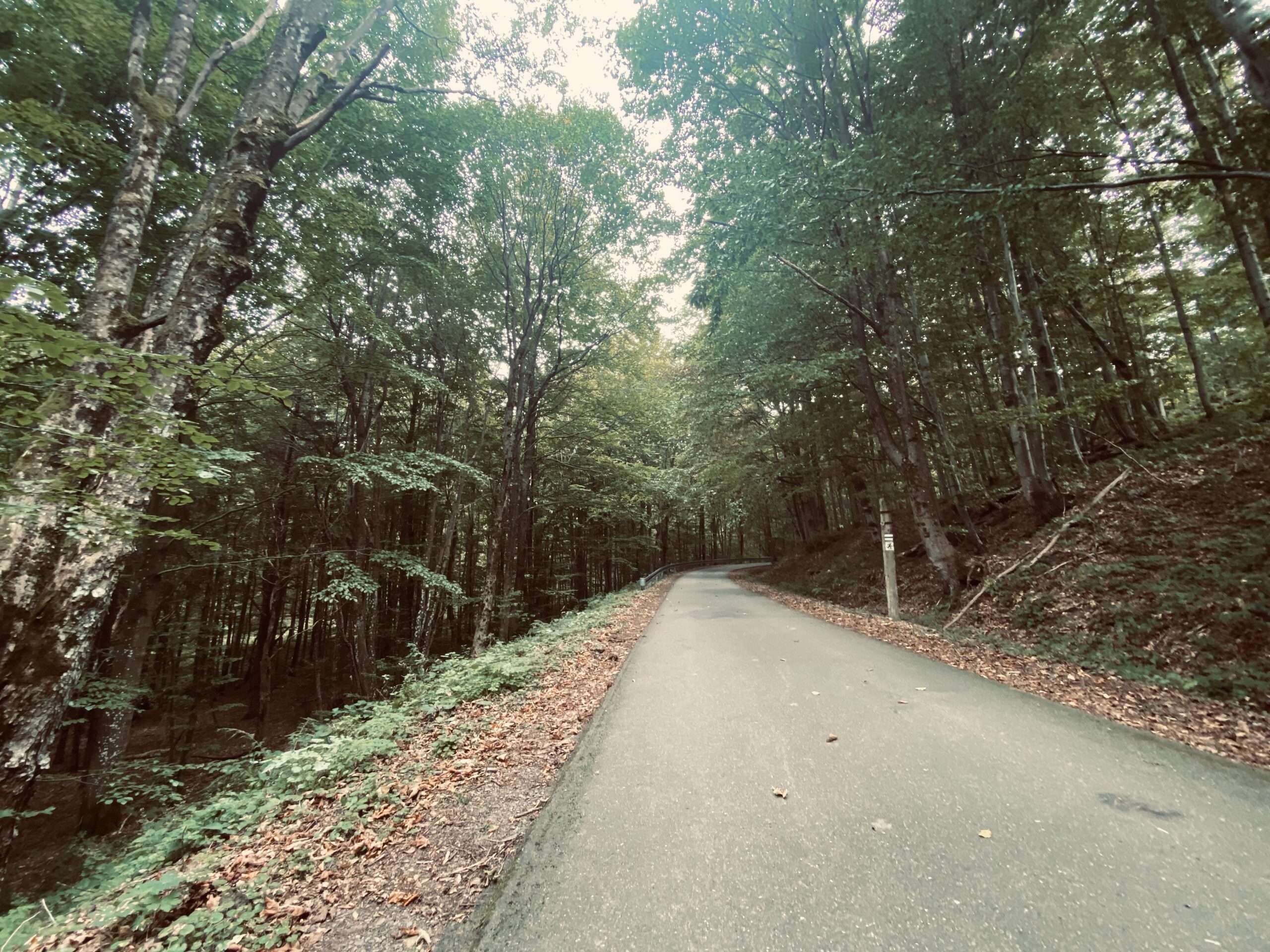
The final stop — Przełęcz nad Roztokami Pass.
Complete silence. Not a single person around. Forest, a comfortable walking path right along the Slovak border.
I was a little nervous about bears — there had been recent attacks on tourists in the area. Fortunately I didn’t meet any.
Final Thoughts
I never expected that as a dialysis patient I would discover the beauty of the Bieszczady mountains without a single long hike.
By car I saw stunning viewpoints, drove winding mountain roads, ate regional food and brought home a few bottles of excellent fruit liqueur.
The Bieszczady are for everyone. Even — perhaps especially — for people on dialysis.

You May Also Like
Sunny Sicily on Dialysis – My Grand Italian Road Trip
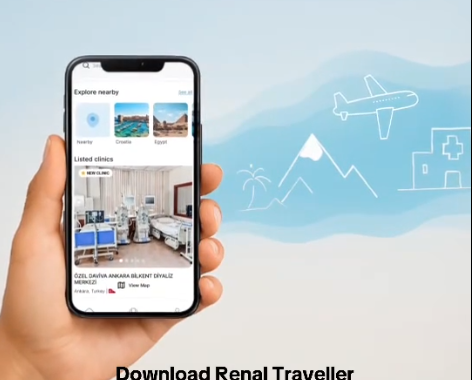
📱 Smartphone Apps That Will Make Travelling with Dialysis Easier